
So far this 2019, I’ve been pretty good at sticking to my New Year’s resolutions re: health and wellness. In fact, I have been on a health kick recently — going to the gym 5x a week, meal prepping, drinking cleanses, and fasting.
I know I’ve talked about intermittent fasting ~and how awesome it is~ in some of my previous posts, but I’ve never really gone into depth about it. Now I’m gonna do that.
What is Intermittent Fasting?
Intermittent fasting is an eating style centered around when you eat, rather than what you eat. There’s no restriction of food groups or weird juice cleanses, just a simple schedule. There are three popular fasting methods:
- The 16/8 Method. Every day is broken into an eating period and a fasting period. For example, skip breakfast every day and eat for 8 hours (such as from noon to 8pm). As long as you make a schedule and stick to it, the fasting will work.
- The 5:2 Diet. Eat roughly 500 calories 2x a week and eat normally every other day.
- Eat-Stop-Eat. Do 1-2 full 24-hour fasts per week to reset your glucose levels. Eat normally every other day.
Benefits
- Lose weight and body fat FAST
- Maintain and increase muscle
- May help prevent cancer
- Increased energy and concentration
- Lowered cholesterol
- Fights heart disease
- Induces cellular repair processes
- Benefits brain health (increase growth of neurons and protects brain from damage)
- May prevent Alzheimer’s Disease
- May increase life expectancy

How it Works
The main reason intermittent fasting works for weight loss is that it helps lower daily calorie intake. Less time for eating + skipping breakfast every day = less calories. That makes sense.
Another reason it works is by forcing your body to eat itself — sounds pretty hardcore, right? Let me explain. Body fat is the energy from food that has been stored away. When you don’t eat for a certain period of time, your body will “eat” its own fat for energy. This way, body fat lowers and you lose weight!
One other way that intermittent fasting impacts the body is via hormone levels. First, insulin levels drop dramatically, which facilitates fat burning. Then, Human Growth Hormone (HGH) significantly increases, which aids in fat loss and muscle gain. Lastly, fasting for 48-hour periods can boost metabolism by 3 to 14% — However, any longer can reduce metabolism.
The combination of these factors — lowered calorie intake, increased fat loss, and affected hormonal levels — are what cause intermittent fasting to work so effectively and quickly.
My Experience
I started intermittent fasting two months ago with the full support of my parents. They watched over me while I was home for Winter break to make sure I wasn’t starving myself too much and that I had a normal daily calorie intake. Having this support system has helped me a lot through my process.
When intermittent fasting, I have been using the 16/8 Method. Every day, I begin eating at noon and begin fasting at 8pm. Within my eating period, usually I eat 2 large meals and drink lots of water. While I eat mostly healthy/whole foods, I do allow myself treats in moderation.
For the first week or so, fasting was a bit difficult and uncomfortable. I had experienced fasting for certain religious holidays, but never for this long-term. It seemed like the hunger never quite went away. However, with lots of coffee and water in the morning and lots of hope, I made it through the initial discomfort. Soon, my overall appetite decreased and I had significantly less cravings.
I saw immediate results: from 120 pounds to 115 in just a few days. I felt these results, too. My clothes were fitting better, I wasn’t as dependent on food for concentration or a good mood, and I had more energy.
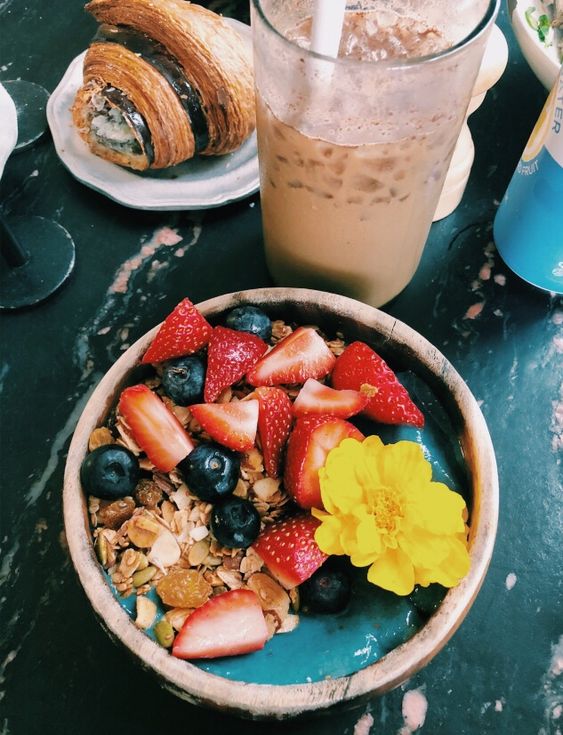
Tips
- Drink coffee in the morning to help suppress your appetite until it’s time to break fast.
- Drink lots of water. Hydration increases metabolism and it allows your body to know when it’s full sooner.
- Make sure that the foods you eat are filling and will sustain you. For example, choose protein and fibrous foods over empty carbs.
- If you exercise, make sure you have some food in you before you work out. If you don’t, you’ll be running on next-to-nothing and it can be pretty dangerous.
- Make sure to consume enough calories every day. Intermittent Fasting obviously decreases the overall number of calories a person consumes in a day, but make sure you’re not starving yourself.
- Allow yourself the occasional treat. I can guarantee that if you are constantly eating healthy food and never allow yourself to eat the dessert/junk food you’ve been craving, your diet will not last. Everything in moderation.
- Have a good support system. Make sure that you let your friends or family members know that you’re beginning this eating style. This way, they can encourage you to keep going and check up on you to make sure that you’re still eating enough.
- Keep snacks in your backpack/purse. Honestly, this is just a life hack but it’s super important when you’re intermittent fasting. Sometimes time get’s the best of you and you forget to eat — it happens. To keep this from happening, just keep a protein bar in your bag at all times.
As I have mentioned a few times before, intermittent fasting has improved my physical health in so many ways. Yes, I lost weight — which is a pretty nice bonus. In fact, I lost 18 pounds since this Summer — Crazy! But that’s not even close to being the only benefit: I have been more focused, alert, and well-tempered throughout the day. I am less dependent on food for maintaining a good mood. (Read: I hardly ever get “hangry” anymore.) I am less inclined to snack and overeat throughout the day.
I definitely recommend intermittent fasting for anyone that is attempting to A) lose a bit of weight or B) increase their overall physical and mental health. It has become easy to maintain and is a close-to-effortless way to feel better about your figure.
If you end up trying this eating style, let me know! I would love to help you through it and guide you in any way that I can. Also, keep track of your progress and share it with the world! We should all be there for one another in times of self-improvement, just as we are in times of difficulty.
 the moore the merrier